I Drove a 2025 Jeep Compass for Three Hours and That Was Enough
I drove the 2025 Jeep Compass for three hours on highways, city streets, and gravel roads. Here's why its powertrain can't save a compromised package.

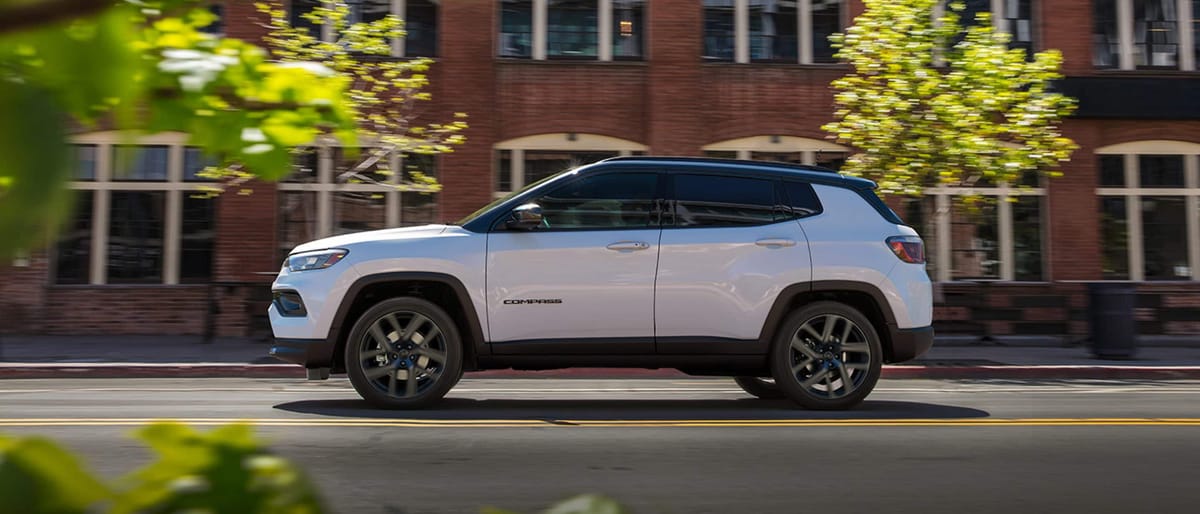
My dad flew out to Portland a few weeks ago to pick up a 1961 Ford Anglia, the rental car he showed up in was a 2025 Jeep Compass Sport. Over the the course of the three-hour road trip we experienced the subcompact SUV on highways, around the city, and up gravel roads.
I discovered exactly why the Cherokees younger brother continues to struggle against its competition—despite a willing powertrain, the Compass is let down by a cramped, cheaply-built interior that makes every minute behind the wheel feel longer than it should and with pricing starting at $26,900 I have some thoughts.
What I'll Cover
- Real-world driving impressions from a three-hour test
- Interior quality issues that plague this aging platform
- Who should (and shouldn't) consider the Compass
- How the Compass compares to the Subaru Crosstrek and Honda HR-V
The Good: Powertrain Punches Above Its Weight
Engine Performance Surprised Me
The 2025 Compass comes standard with a 2.0-liter turbocharged four-cylinder producing 200 horsepower and 221 lb-ft of torque, paired with an eight-speed automatic and standard all-wheel drive. On paper, those numbers put it right in the mix with competitors. In practice, the little turbo four felt eager and responsive.
Merging onto the highway, the Compass pulled cleanly through the rev range without a hint of reservation. The turbo delivers its torque low in the rev range, making passing maneuvers confident and stress-free. Our gravel road ascent to collect the Anglia showcased the powertrain's flexibility—the transmission kicked down smoothly, and the engine never felt strained climbing steep grades.
The eight-speed automatic deserves credit too, quickly finding the right gear without hunting creating shifts smooth enough that you rarely notice it working.
Off-Road Capability Delivers
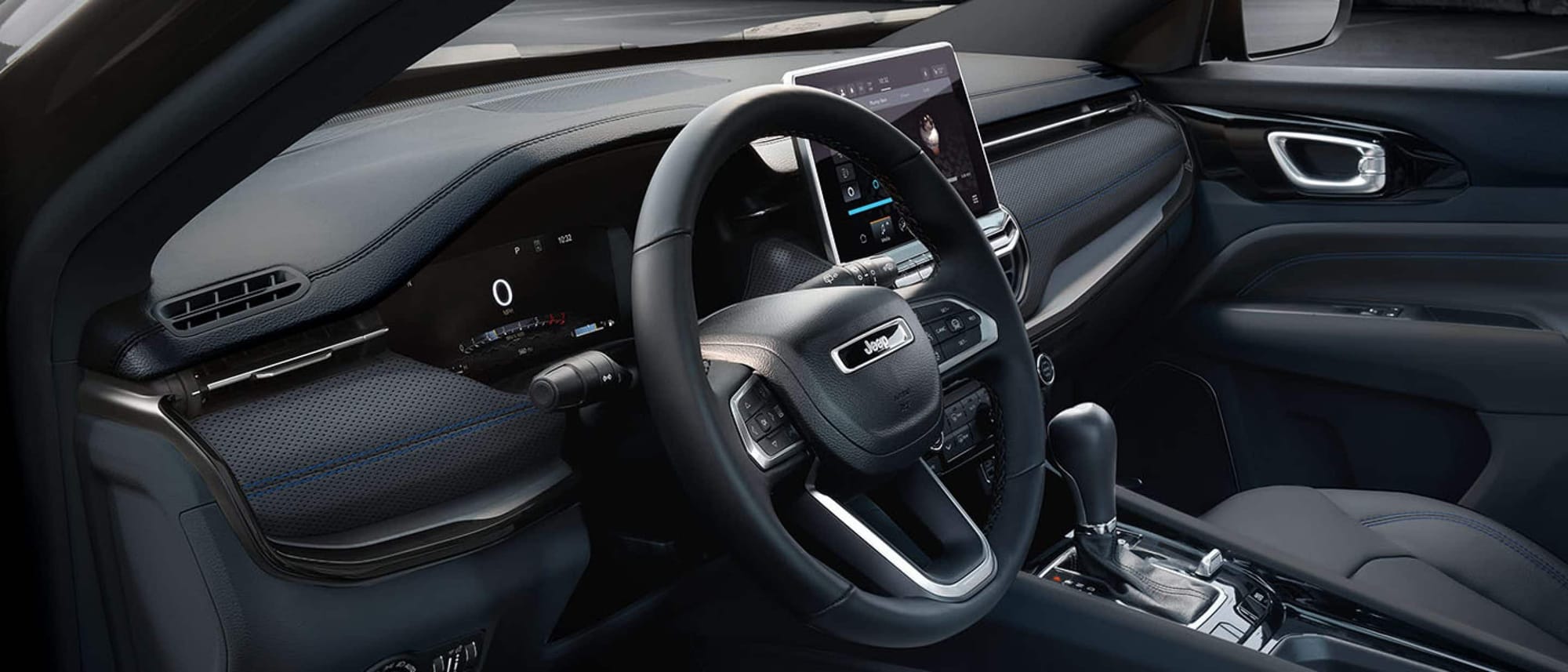
With standard all-wheel drive and available Selec-Terrain traction management, the Compass handled our unpaved adventure without drama. The rutted, loose gravel road that wound up to the Anglia's location would have challenged many mall-rated crossovers, but the Compass took it in stride. Ground clearance felt adequate, and the AWD system gave me confidence with every minute, even when traction giving it the beans around a wet gravel ridden bend.
For buyers who occasionally venture off pavement—not rock crawling, but forest roads, snowy driveways, and muddy campsites—the Compass delivers genuine capability that justifies the Jeep badge.
The Bad: Interior Quality Undermines Everything
A Cabin That Looks Better Than It Feels
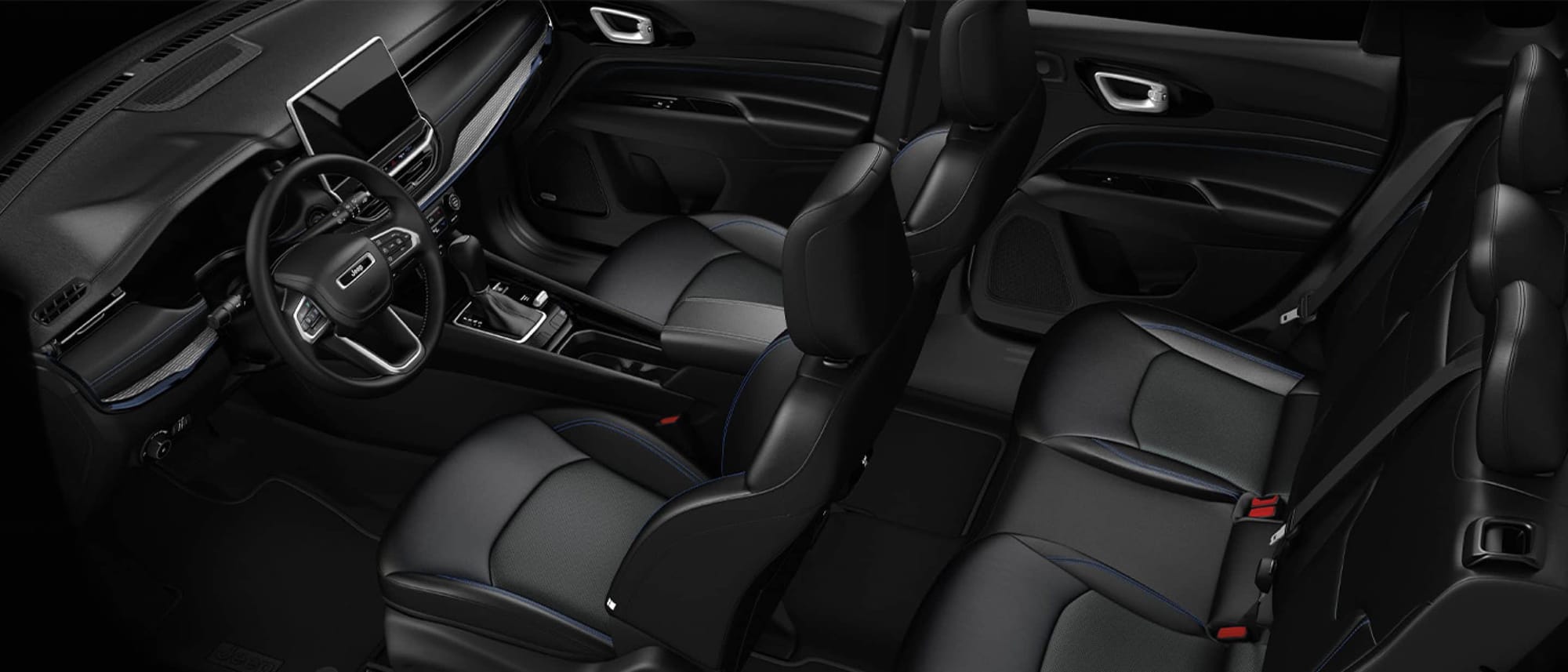
Here's the thing about the Compass interior: it actually looks pretty good at first glance. The design is attractive, and there are soft-touch materials throughout the cabin. Jeep clearly invested in the aesthetic. But the moment you start actually using the interior, you discover it feels like it's held together with chewing gum and zip ties.
During our drive, I noticed excessive play in multiple interior trim pieces. The door panels flexed noticeably when pushed, the center console lid felt flimsy, and various plastic panels exhibited gaps and misalignment. Push on nearly any interior surface and you'll feel it give more than it should. This isn't the solid, well-assembled feel you get in a Subaru Crosstrek or Honda HR-V—it's a cabin that looks decent in photos but betrays its budget construction the moment you interact with it.
The disconnect between visual appeal and structural integrity speaks to cost-cutting where it matters most—not in the materials themselves, but in how those materials are assembled and attached to the vehicle. For a 2025 model year vehicle, these quality issues feel particularly inexcusable.
Cramped Cockpit Feels Claustrophobic
The Compass measures 173.4 inches long, 41.8 inches of front legroom and 38.3 inches in the back, and a maximum passenger volume of 100 cubic feet according to manufacturer specs. On paper, that's not terrible. In reality, the driving position feels oddly cramped and awkward.
The cockpit feels narrower than competitors all together creating a closed-in sensation resulting in a cabin that feels smaller than its actual dimensions.
Compare those numbers to the competition:
- Subaru Crosstrek: 42.9 inches front legroom, 100.5 cubic feet passenger volume
- Honda HR-V: 41.9 inches front legroom, 98.7 cubic feet passenger volume
That Rear Window Problem
Rear visibility is genuinely poor. The Compass's small rear window felt as big as a LEGO Minifig, combine that with thick rear pillars, and you get some substantial blind spots. During lane changes and parking maneuvers, I found myself relying heavily on the blind-spot monitoring system because shoulder checks revealed frustratingly little.
In a segment meant to deliver on practicality and ease of use, these visibility compromises are a major blunder that directly impacts daily usability in ways the spec sheet doesn't reveal.
Deep Footwell Creates Awkward Ergonomics
Here's a quirk I wasn't expecting: the Compass has an unusually deep footwell that requires you to lift your feet higher than normal when entering or exiting. After three hours and multiple stops, this minor annoyance became genuinely tiresome. I'm on the verge of my 30's and I started to feel it in my quads and abs– I can't image how this would affect older drivers or escorting my wife out of the car after having a baby.
This isn't something you notice reading about it or even going for a test drive, but on a day full of errands the impact on your body impacts daily usability. Over time dealing with the Compass to feel like you're practicing for a round of Double Dutch.
Reality Check: Family Functionality
Car Seat Compatibility Is a Deal-Breaker
Look, the Compass isn't meant to be a full-fledged family hauler—that's what the Grand Cherokee is for. But here's the problem: even one rear-facing car seat makes the entire ride unpleasant for everyone involved. And that's a serious issue for young couples with aspirations of starting a family.
We brought along my two-year-old for the adventure, and the Compass immediately revealed its limitations. With a rear-facing car seat installed, the front passenger seat had to move so far forward that an adult couldn't sit comfortably. We ended up turning his seat forward-facing (which he loved, admittedly) because the alternative meant my dad would be sitting with his knees at his chin for three hours.
This isn't about expecting minivan-level space from a subcompact SUV. It's about the fact that if you're a young professional buying this as your first "grown-up" vehicle with thoughts of kids in the next few years, the Compass won't transition well. The next trip after coming home from the hospital will be the dealership looking for a trade-in.
admittedly, the subcompact SUV isn't an ideal option for hauling your kid(s), but with all the quirks the Compass offers this is another strike against an already weak contender.
Cargo Space: Adequate But Not Exceptional
Behind the rear seats, the Compass offers 27.2 cubic feet of cargo space, expanding to 59.8 cubic feet with seats folded. That's nearly identical to the Crosstrek (19.9/54.7 cubic feet) and HR-V (24.4/55.1 cubic feet).
For our Anglia-retrieval mission, cargo space proved adequate. The numbers look competitive, and in practice, the Compass swallowed our gear without complaint. This is one area where the Jeep doesn't give up ground to its rivals.
Should You Buy a 2025 Jeep Compass?
Who the Compass Makes Sense For
The 2025 Compass works for a specific buyer:
- You prioritize affordable off-road capability over refinement
- You rarely carry passengers in the back seat
- You plan to lease short-term rather than own long-term
- You get a significant discount (the Compass often sees aggressive incentives)
- You're a Jeep loyalist willing to overlook its shortcomings
- You're a rental car company
Who Should Look Elsewhere
Skip the Compass if you:
- Have young children in rear-facing car seats
- Value interior quality and materials
- Plan to keep the vehicle beyond the warranty period
- Spend significant time on highways and smooth roads
- Want the best value in the subcompact SUV segment
How the Compass Compares to Top Competitors
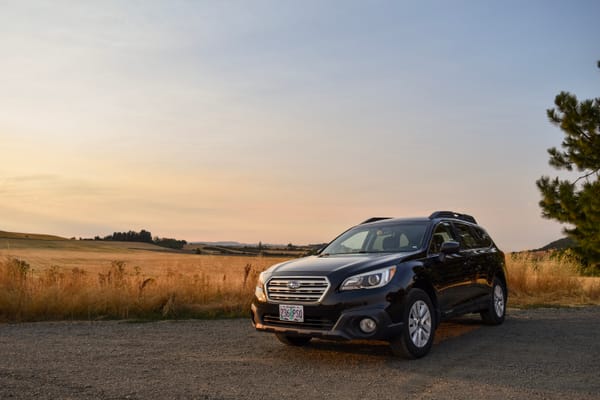
Subaru Crosstrek: The Smarter Choice
The Crosstrek starts around $26,560 compared to the Compass's $26,900 MSRP. For around the same price, you get:
- More front legroom (42.9" vs 41.8")
- Better interior materials and build quality
- Comparable fuel economy (Crosstrek: 34/27 mpg vs. Compass: 24/32 mpg per EPA estimates)
- Superior long-term reliability (Subaru's reputation vs. Jeep's troubled history)
The Crosstrek sacrifices some of the Compass's turbocharged pep—the standard 2.0-liter boxer engine makes 152 naturally-aspirated horsepower, while the 2.5-liter engine bumps up to 182 horsepower—but delivers a more refined, better-built package that's easier to live with daily.
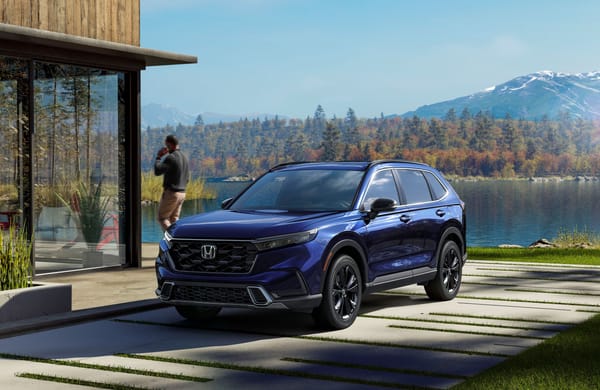
Honda HR-V: Better Execution of the Same Idea
Starting at $26,500, the HR-V undercuts the Compass by nearly $400 while offering:
- Similar interior dimensions that feel more spacious
- Honda's reputation for reliability and quality
- Comparable fuel economy (AWD HR-V: 25/30/27 mpg vs. Compass: 24/32/27 mpg per EPA estimates)
- Superior materials and assembly quality
The HR-V's naturally-aspirated 2.0-liter makes just 158 horsepower, so it can't match the Compass's turbo acceleration. But it delivers on the fundamentals—comfort, space, and reliability—that make a daily driver livable for the long haul.
The Verdict: Capable Powertrain, Compromised Package
Three hours in the 2025 Jeep Compass provided a complete picture of this aging platform. The turbocharged engine delivers genuinely impressive performance, and the all-wheel-drive system handles off-pavement duties competently. For those 15 minutes when we were climbing that gravel road, I understood the Compass's appeal.
But the other two hours and 45 minutes? They highlighted every compromise Jeep made to hit a price point. The cramped cockpit, questionable assembly quality, poor visibility, and awkward ergonomics that wear you down. When direct competitors offer better cabins, more space, superior reliability, and lower prices, the Compass's case gets harder to make.
The powertrain deserves a better vehicle around it. And at $26,900 to start, buyers deserve more than attractive materials held together with questionable quality.
For most buyers, the Subaru Crosstrek delivers a more complete package at a lower price. The Honda HR-V offers better value and quality.
The 2025 Jeep Compass proves that a willing engine can't compensate for fundamental platform compromises. Three hours was enough to appreciate its strengths—and more than enough time to experience its weaknesses.
Frequently Asked Questions
How does the Compass perform off-road?
The Compass offers genuine off-road capability with standard all-wheel drive and available Selec-Terrain traction management. The Trailhawk trim adds rock-crawling gearing, skid plates, and enhanced low-speed capability. For occasional off-pavement driving—forest roads, snowy conditions, mild trails—the Compass performs competently, though dedicated off-roaders should consider the Bronco Sport or Wrangler.
Can you fit a car seat comfortably in the Compass?
Rear-facing car seats present significant challenges in the Compass. Installing one forces the front passenger seat so far forward that adult passengers can't sit comfortably. Forward-facing seats work better, but families with young children in either front- of rear-facing configurations should strongly consider other segments, which manage rear-seat space more effectively.